
How to Compare Antarctica Cruise Ships: A Simple Guide
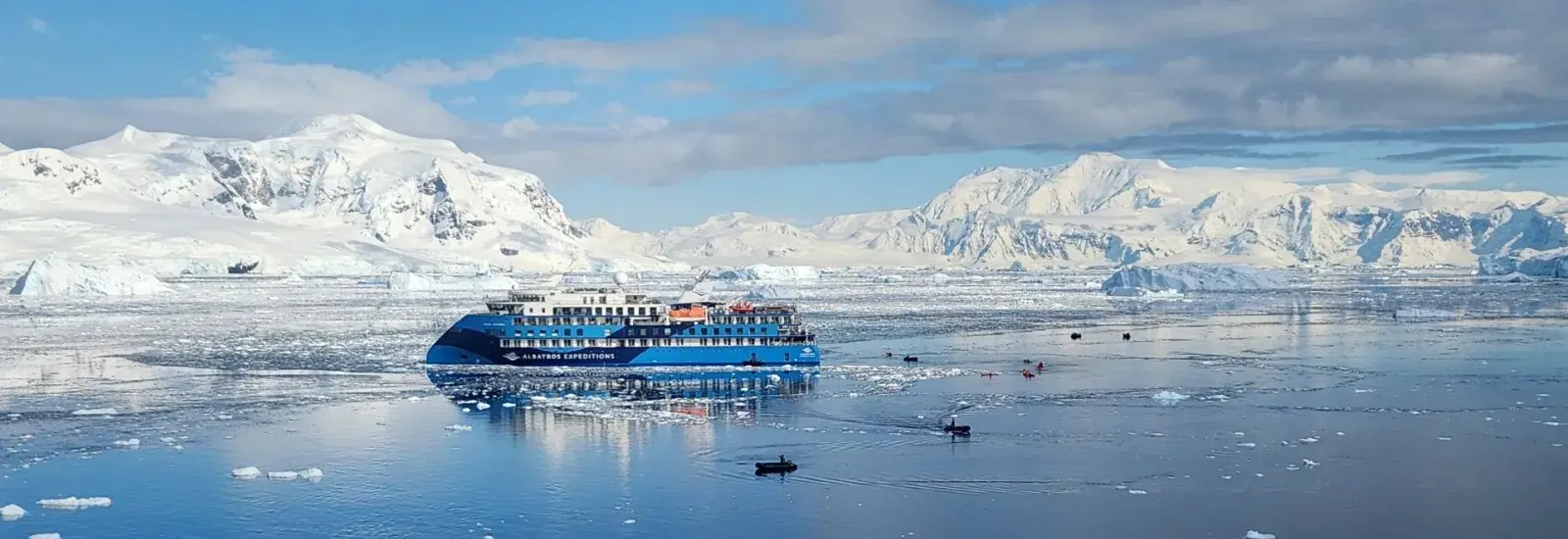
Planning the best Antarctica expedition cruise is such a fun process, but one of the key steps is considering which ship is right for you. There are many ships operating in Polar waters, but they aren’t all created equal - so how do you compare Antarctica cruise ships to decide which one is best for your needs?
It’s all about knowing what to look for. When you’re researching ship options and cruise operators, here are the most important factors to keep in mind when you’re comparing Antarctic vessels.
IAATO membership
We highly recommend only travelling on vessels which are operated by IAATO full or associate members. IAATO stands for International Association of Antarctica Tour Operators and was founded in 1991 to ensure commercial travel to Antarctica is safe, sustainable, and has minimal impact on the environment.
Travelling with an IAATO member operator ensures you’re with an experienced and vetted company that has a proven track record of safely and successfully operating cruises to Antarctica. Chimu Adventures only works with IAATO operators.
Ship passenger numbers
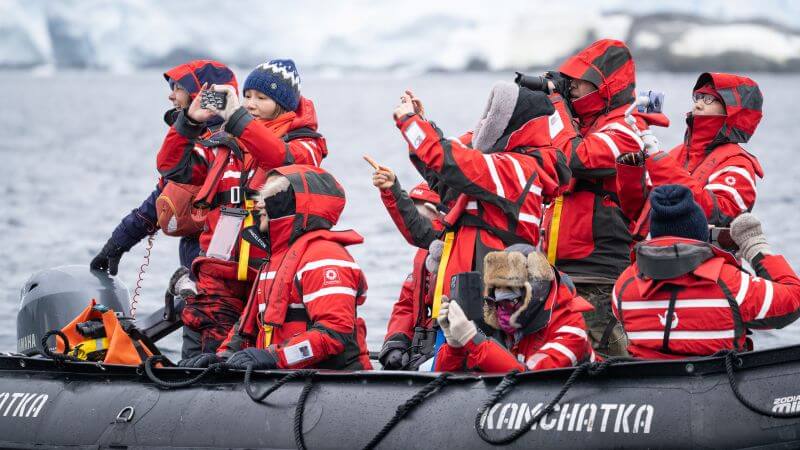
Once you start comparing Antarctic ships, the number one priority to consider is passenger numbers! For travellers seeking an expedition style experience, offering twice-daily opportunities to get off the ship and onto the ice, only consider ships that take fewer than 200 passengers.
Why does this matter so much? Small ships are essential to the Antarctic experience as they allow you to make the most of your time on shore. IAATO has strict guidelines in place that state only 100 people, or less, can visit a landing site at any one time.
If your ship has 180 guests, for example, half can be on a shore landing while the other half enjoy a scenic zodiac cruise. Then, you swap from one to another, allowing you to experience the same landing site from two perspectives. This allows you a few hours off the ship, weather permitting, and creates an immersive opportunity to observe wildlife, learn about the landscapes from your guides, or take photos.
Larger ships of more than 500 passengers are not permitted to land anywhere in Antarctica, but can only sail by without disembarking. While cruises on larger vessels may offer lower pricing, the trade-off is that you won’t get to step off the ship and onto Antarctica.
Variety of Antarctic activities
Not all expedition ships offer the same activities, so if you have your heart set on a certain experience, like kayaking, be sure that’s something your ship can offer before booking. Keep in mind that some optional activities, like ice camping, are also only offered on select departures, usually in peak season when the weather conditions are at their best.
Your expedition ship will generally include excursions such as shore landings, zodiac cruises, and expert lectures, which are all included in your cruise fare. However, options activities like kayaking, camping, specialist photography programs, or scuba diving are available at an additional cost. We recommend always prebooking, so you don’t miss out.
The activities offered by your ship may also vary depending on time of year. For example, camping may not be offered on early and late season cruises due to weather conditions. However, the Antarctic season runs from late October through March and each month offers incredible opportunities, so you're sure to have an incredible time, no matter what.
Antarctic itineraries
Which itinerary is right for you? And, is the itinerary you prefer offered by your preferred ship?
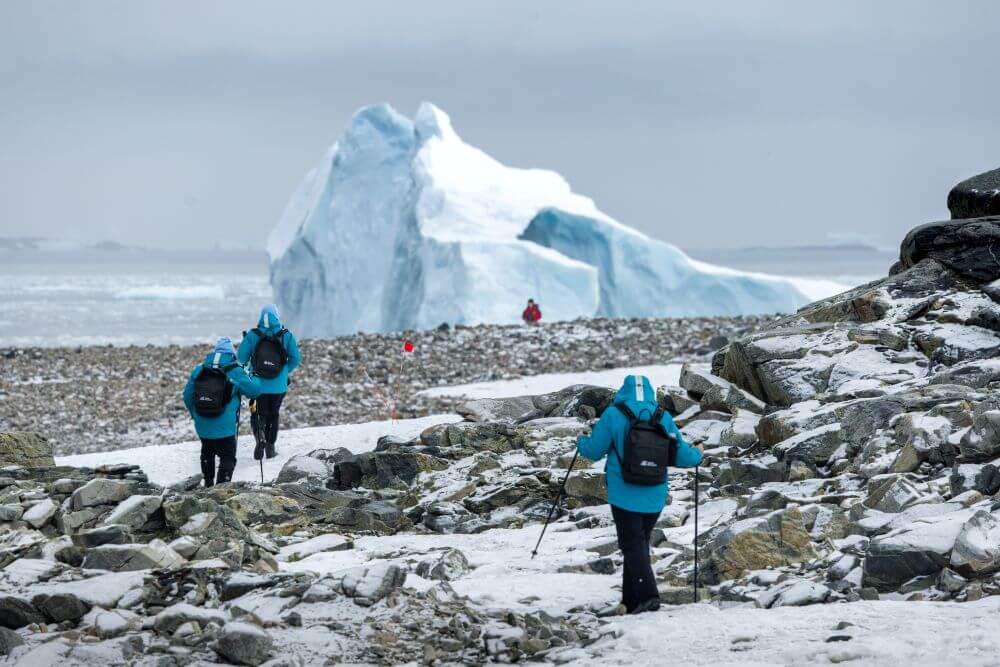
The vast majority of travellers visit the Antarctic Peninsula, a 10-12 day itinerary that’s massively popular, with good reason. The Peninsula is easily accessible from South America and offers the most plentiful wildlife on the continent.
Almost all ships offer Peninsula itineraries, including longer versions (around 20 days) that also take in South Georgia and the Falkland Islands.
However, if you’re seeking a more unusual itinerary, such as a visit to East Antarctica or the sub-Antarctic Islands, note that only a small number of ships visit these regions each year.
The strength of the ship's expedition team
When comparing Antarctic ships, also spend some time researching the ship’s expedition team. Your expedition team is the key to having an epic time on your cruise. Look for ships that have a strong ratio of guests to expedition staff, as more crew means more opportunities for guests to enjoy excursions, ask questions, and attend onboard lectures.
Expedition crews are highly trained and experienced in their diverse fields, which may include biology, geology, ornithology, photography, or kayak guiding. They’ll work closely with the captain and ship’s crew to ensure you make the most of your trip, planning excursions that are safe and unforgettable, for all the right reasons.
Stability on the Drake Passage
Crossing the Drake Passage, the body of water that connects South America with Antarctica, is something many travellers think about before their trip.
If you have concerns about seasickness, take some time to learn how each potential Antarctic ship handles it. Almost all expedition ships have onboard stabilisers, which can be extended to help keep the ship stable in calm seas. Your captain will also closely control the speed of the ship if rough waters are encountered, managing the ship's movement with the roll of the waves to reduce excess motion.
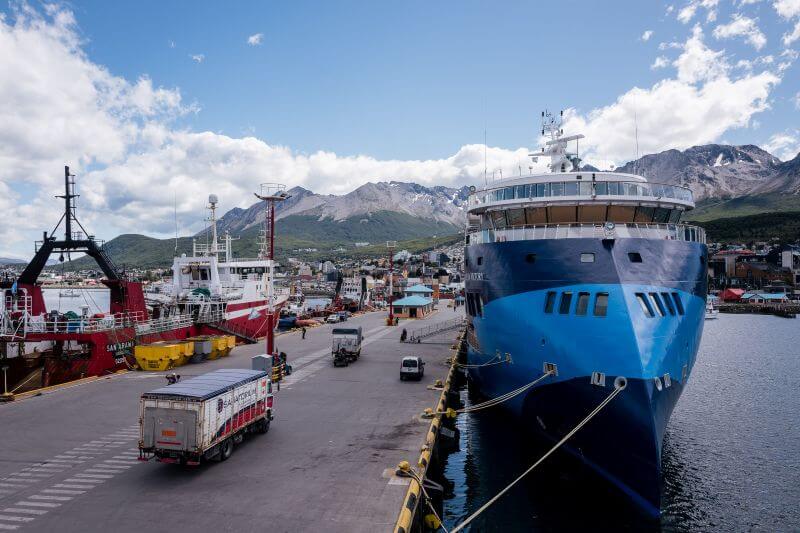
However, some newer ships also contain an additional stabilisation feature, known as the X-Bow. This is a unique type of inverted hull design that can cut through waves faster and more fuel efficiently. It also disperses motion from waves, helping the ship feel more stable.
X-Bow technology has revolutionised Polar comfort on the Drake Passage, but it is found on newer ships that come at a premium cost. Sailing to Antarctica on older ships can still be very comfortable, and safe - and sometimes, you’re rewarded with the ‘Drake Lake’, giving you calm days at sea before reaching the Peninsula.
Cabin types and levels of luxury
Another key consideration when comparing Polar ships is your preferred luxury level, including cabin types. There are a wide range of accommodation options on Antarctic ships, from cheap and cheerful quad or triple bunk bed style cabins, all the way up to spacious suites with balconies and lounges and owner’s suites.
If you’re a group or family seeking a larger cabin, or just prefer certain amenities, check both to see if it’s offered on your preferred ship and if it’s available for your sailing date. Some ships may only have 2-3 types of each cabin, meaning they can sell out quickly as many travellers book far in advance.
Antarctica is also a popular destination for solo travellers, with some ships offering dedicated solo cabins. However, if you're a solo traveller and willing to share a cabin with a fellow traveller of the same gender, we can help match you up so that you can avoid paying any single supplement fees.
While all ships will include comfortable, hotel-style accommodation and all of your delicious meals, prepared under the guidance of an executive chef, some luxury Polar ships do offer more extra onboard luxuries. This can include hot tubs and saunas, a spa, modern lecture theaters and citizen science laboratories, and even helicopters, offering scenic flights over the ice.
For those with accessibility needs, we appreciate there are more factors when considering which ship and cabin type might work best. Please give us a call to discuss which ships might be right for you. Some ships do offer more accessibility options than others, so we can help talk you through the options.
If you’re just getting started, or have already narrowed your options down to a few select vessels, please reach out for more information, or search for Antarctica cruises on our website. Our team of Destination Specialists have collectively sailed on almost all of the ships we sell, so can provide quotes and help you compare Antarctica ships based on their extensive industry knowledge and first-hand experience.
FAQ's
Frequently Asked Questions
Q1. How many times can we get off the ship in Antarctica?
If you want to maximise your time off the ship and on the ice, look for a vessel that takes fewer than 200 passengers. Weather permitting, this means you’ll have two opportunities per day for excursions. When travelling with Chimu Adventures, all of our partner ships aim for a morning and an afternoon activity, such as a shore landing, zodiac cruise, or an optional activity like kayaking.
Q2. What are the top-rated expedition ships for Antarctic voyages?
Travellers should prioritise small ships of less than 200 passengers for the optimal expedition experience, as larger ships have strict limits on how many people can get off the ship at one time. Ships carrying 500 or more passengers are not permitted to land in Antarctica, as per IAATO regulations.
Chimu Adventures partners with many fantastic expedition ships, including the Discoverer, the Ocean Nova, and the Ocean Albatros.
Q3. Where can I find reviews comparing Antarctica cruise ships and their itineraries?
It’s always best to read reviews before planning your Polar adventure. Chimu Adventures encourages reviews from our travellers, so you can learn more about ships and itineraries from previous guests on Google and Trustpilot.
Or, give us a call and our experienced team can help you compare both ships and itineraries.
Q4. Which Antarctic ships offer the best wildlife viewing opportunities?
Expedition ships with fewer than 200 guests, like the Ocean Albatros and Ocean Nova, are best for wildlife viewing. This is because smaller ships can access remote areas that larger ships can’t reach, but they also provide more opportunities for both shore landings and zodiac cruises - the best times to spot penguins, seals, and whales.
Q5. How do I request a quote to compare different Antarctica cruise packages?
If you’re not sure yet which ship is best for you, our team can compare multiple ships, itineraries, and departure dates for you, then package it up into one easy to read document, outlining the best options for your budget, schedule, and interests.
Q6. What are the best Antarctica ships for photography?
The opportunity to spend time on shore and in zodiacs is essential to capturing those beautiful landscapes and wildlife shots of Antarctica. You’ll find this on smaller ships that prioritise the expedition experience. Many ships, like the Ocean Albatros, offer wraparound decks and purpose-built viewing platforms that are ideal for onboard photography.
Where Will You Go Next ?

Talk to one of our experienced Destination Specialists to turn your Antarctic, Arctic and South American dream into a reality.
Contact us