 2026/27 season starts soon. Last-minute Antarctica cruise deals now available View deals →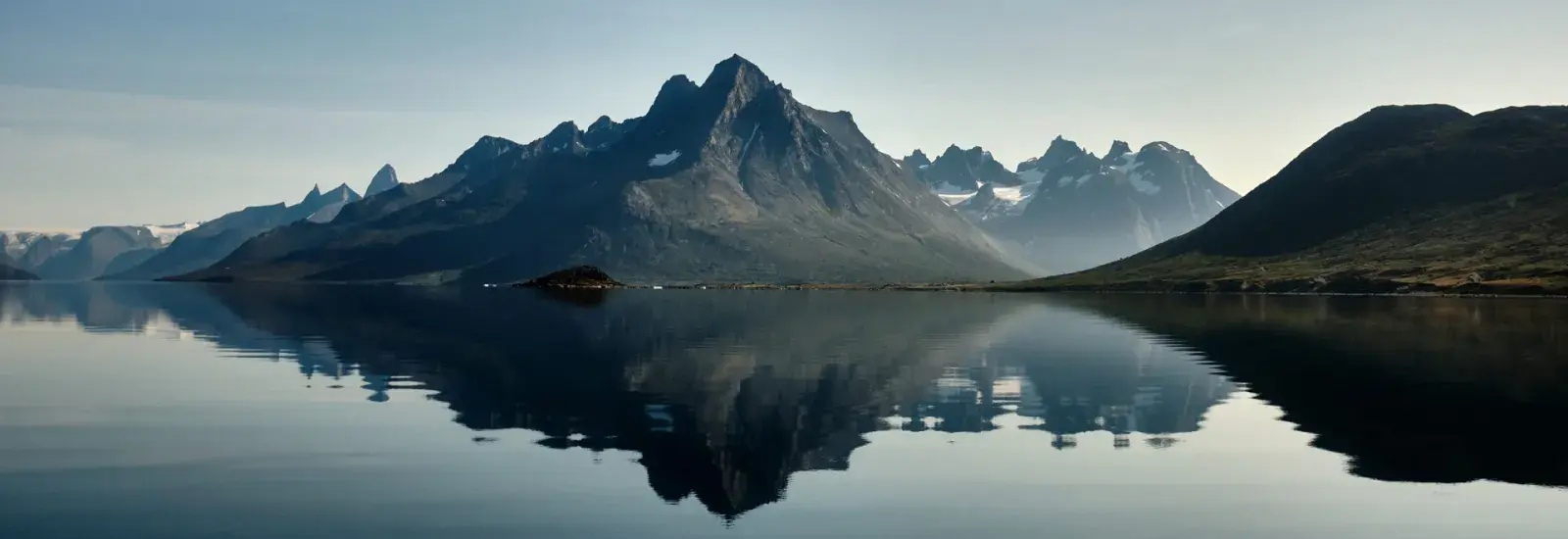
Southeast Greenland & Iceland | Venture
15 Days
From USD 18,409
Trip Code: ACSBSWGI
DIFFICULTY RATING: 2 (light adventure)
Start: Reykjavík, Iceland
Finish: Reykjavík, Iceland
SHIP: Seabourn Venture (Arctic)
 Destination
Arctic, Greenland, Iceland
 Departure Date
03/07/2027
 Meals
Meals
All Meals Onboard the Ship, Open Bar with Premium Beverages & In-Room minibar
 Transport
Group transfers to/from the vessel
 Accommodation
Cabin on board ship
Enquire Now
 Included Sightseeing
Daily Arctic Excursions, Zodiac Cruising, Onboard Expert Lectures & Briefings by the Experienced Expedition Team
NOTE: Itinerary is subject to change depending on weather & ice conditions
OVERVIEW
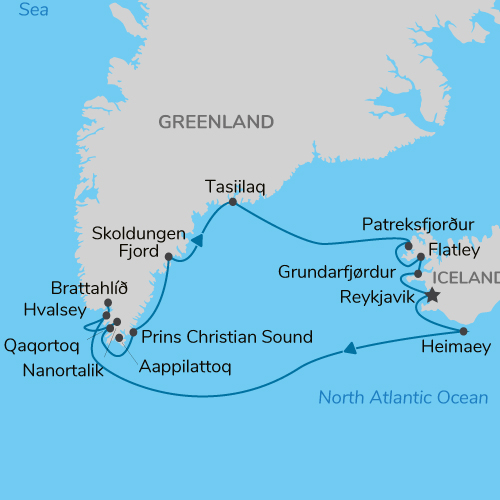
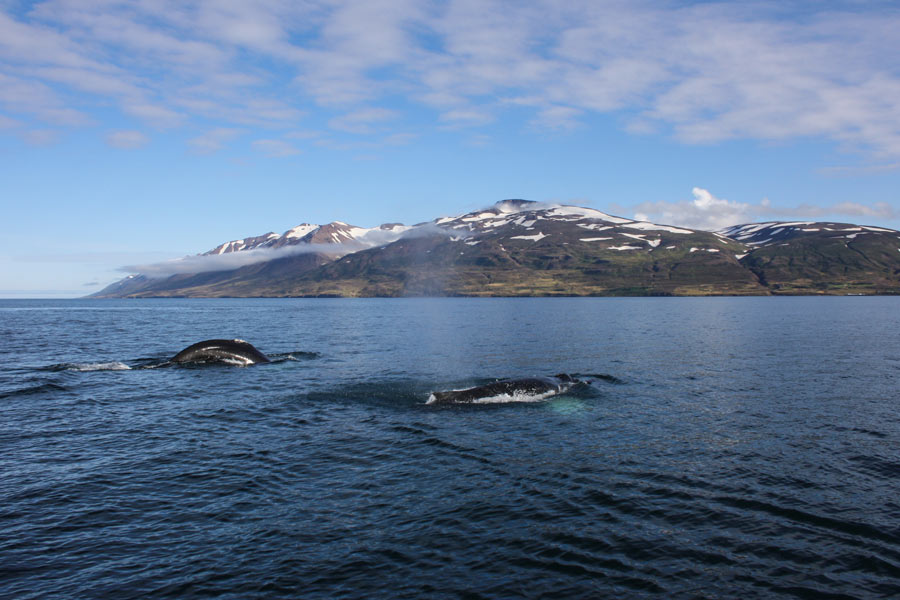
This expedition itinerary combines Iceland’s volcanic coastline with the dramatic fjords and ice‑dominated environments of Southeast Greenland. The program emphasizes active exploration with a focus on daily off‑ship activities such as Zodiac cruising, naturalist‑led interpretation, expert-led guided hikes and wildlife viewing. You will have spectacular opportunities to photograph glaciers, fjords and coastal landscapes while learning from an onboard expedition team specializing in geology, marine biology, and Arctic culture.
On board, the small‑ship format supports flexible routing based on weather and ice, allowing the team to maximize time in scenic areas as well as offering close‑up observations of a the incredibly biodiverse seabird colonies of the region as well as potential sightings of seals, whales and other Arctic wildlife. Throughout the voyage, guests experience meaningful cultural touchpoints into Inuit heritage and the ways in which they are continuing to adapt to the changing climate in their local ways of life. The round‑trip Reykjavik itinerary provides a balance of structured exploration, open‑water cruising and immersive learning designed for travelers seeking a deeper understanding of the Arctic’s least‑visited environments.
ITINERARY
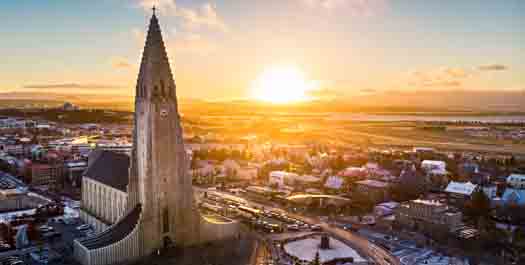
Steeped in history and bursting with contemporary flair, Reykjavík, the capital of Iceland, was founded around 870 C.E, marking the birth of the first permanent settlement on this island nation. Today, it is home to approximately 200,000 inhabitants, making up nearly 60% of Iceland's population. Reykjavík holds the title of the world's northernmost national capital, and it takes pride in its reputation as one of the cleanest, greenest, and safest cities globally. Its commitment to sustainability and eco-consciousness is evident in every corner, from its energy-efficient buildings to its pollution-free skies.
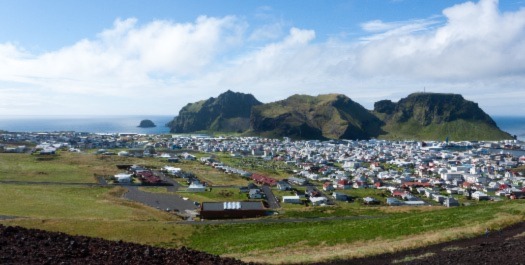
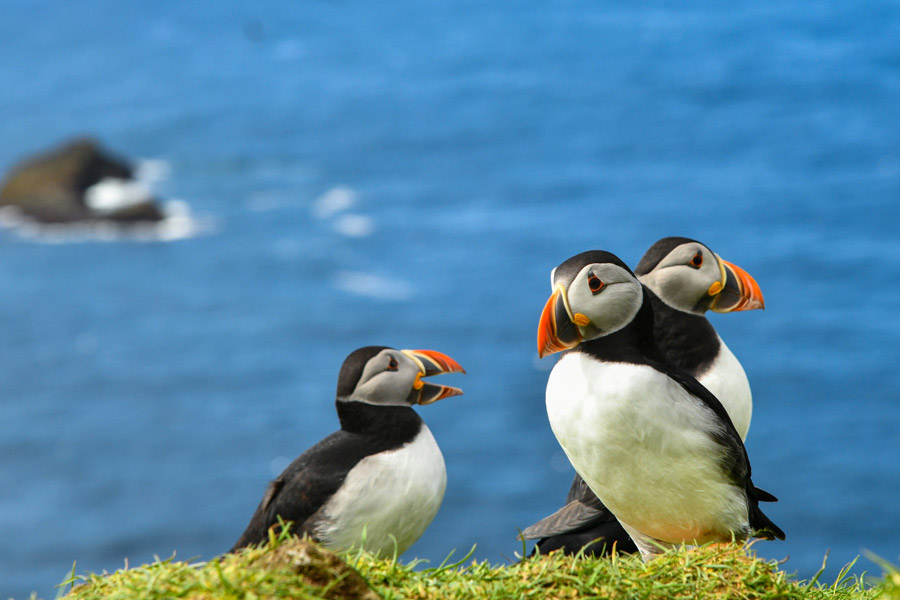
Heimaey Island is the largest in the Westman Islands located four miles off the south-west coast of Iceland. One of the most visually impressive islands in Iceland, it is ringed by tall, vertical sea cliffs many hundreds of feet high. Heimaey is also the home to over eight million Atlantic puffins, more nesting puffins than anywhere else on earth. A local story tells that puffin chicks, taking their first flights at night, often become stranded in the village streets, where the local children rescue them and set them free the next day.
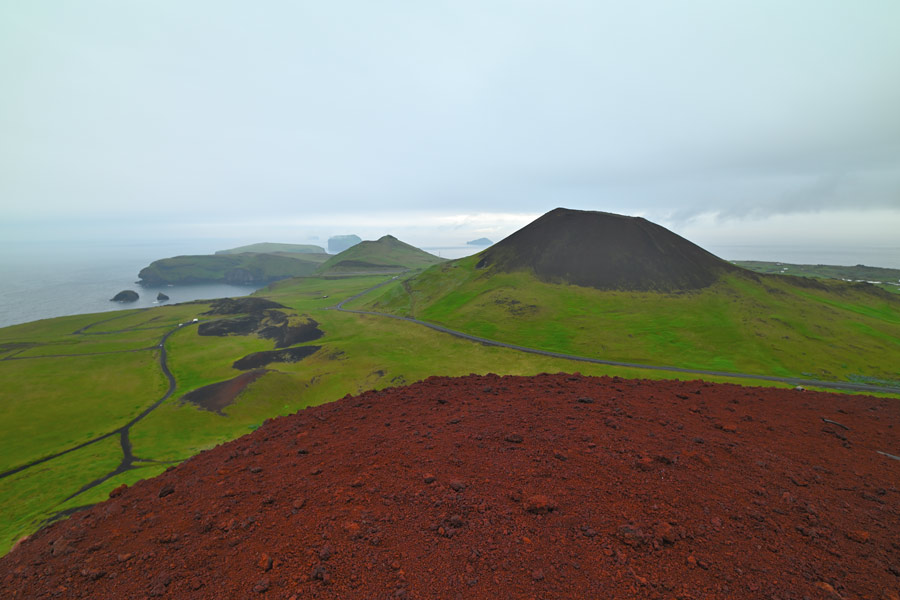
In January of 1973 the island received the nickname, ‘Pompeii of the North’ when a volcanic eruption and lava flow destroyed half the town. This caused a crisis when the town’s only harbor was nearly blocked by advancing lava. Nowadays it is a lively place with a vibrant culture and over four thousand residents. Archaeological excavations suggest that people lived on Heimaey as early as the 10th Century.
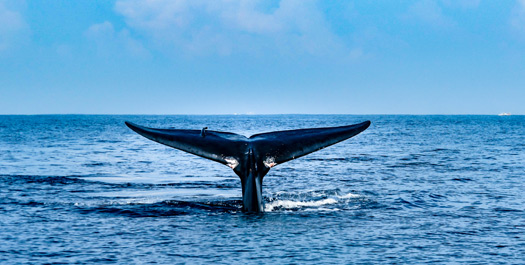
Make the most of these days at sea by indulging in relaxation and taking full advantage of the ship's amenities. Breathe in the crisp, clean air as you soak in the panoramic views of the vast ocean stretching out before you.
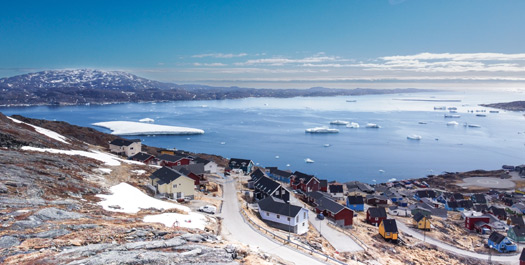
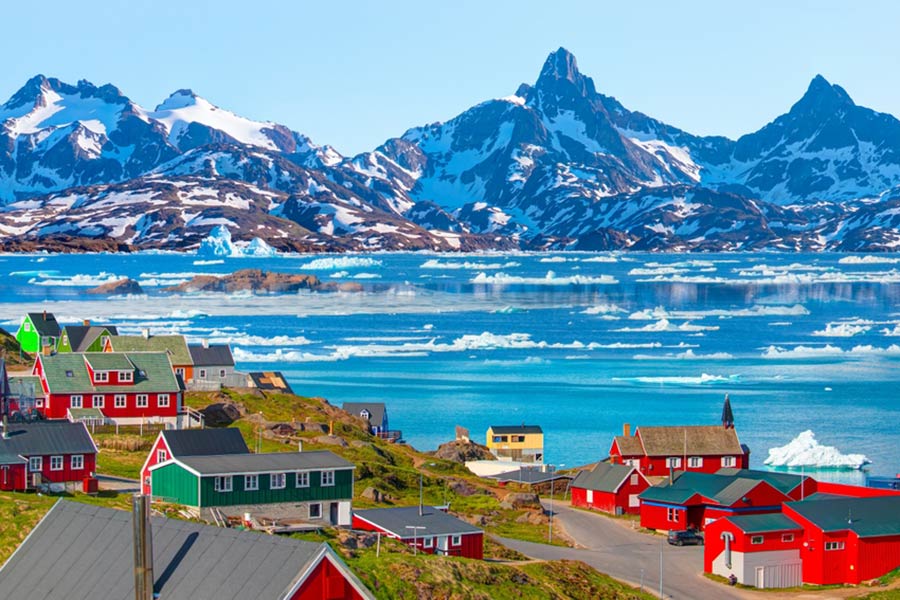
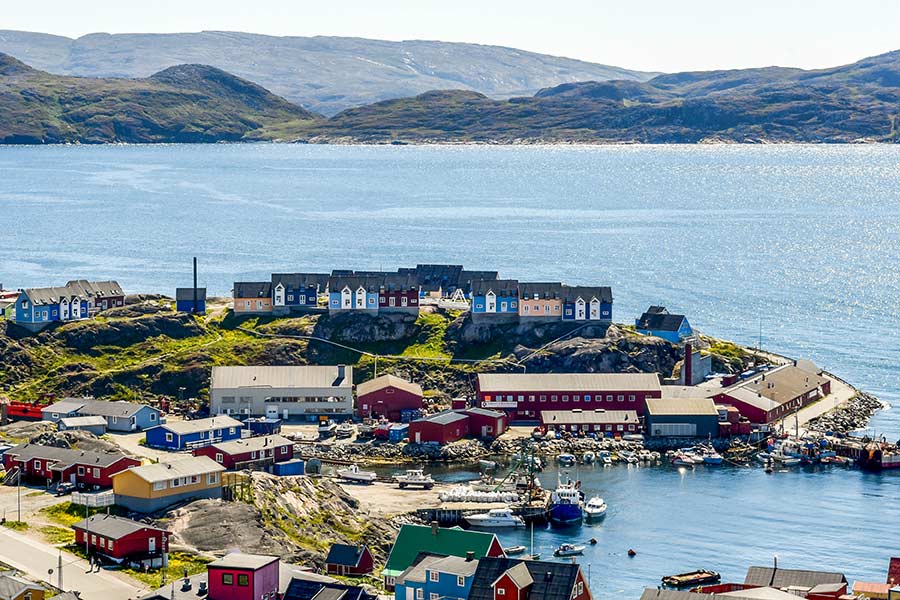
Qaqortoq is the largest city in Southern Greenland with 3,300 inhabitants. The town rises steeply above the natural small-boat harbor with its fish, shrimp and fur processing plants. It was founded in 1775 by the Dano-Norwegian trader Anders Olsen, working on behalf of the General Trading Company.
Qaqortoq is best known for its open-air art exhibition. The Stone & Man project, designed to transform the town into an outdoor gallery, had the participation of 18 Nordic artists from Iceland, Sweden, Norway, Finland and Greenland. Initially 24 stone sculptures were created using the existing rock faces and boulders in the town. Now there are over 40 sculptures celebrating Greenlandic culture.
Other points of interest include Mindebrønden, the oldest fountain in Greenland, the Qaqortoq Museum and The Saviors Lutheran Church. Eighteen kilometers northwest of town are the famous remains of the Viking church of Hvalsey. It represents the last written record of the Greenlandic Norse, who attended a wedding there in A.D. 1408. Hvalsey is the most prominent Norse site in Greenland.
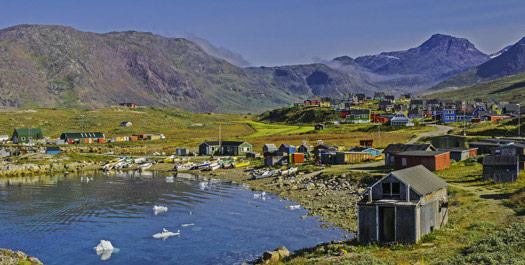
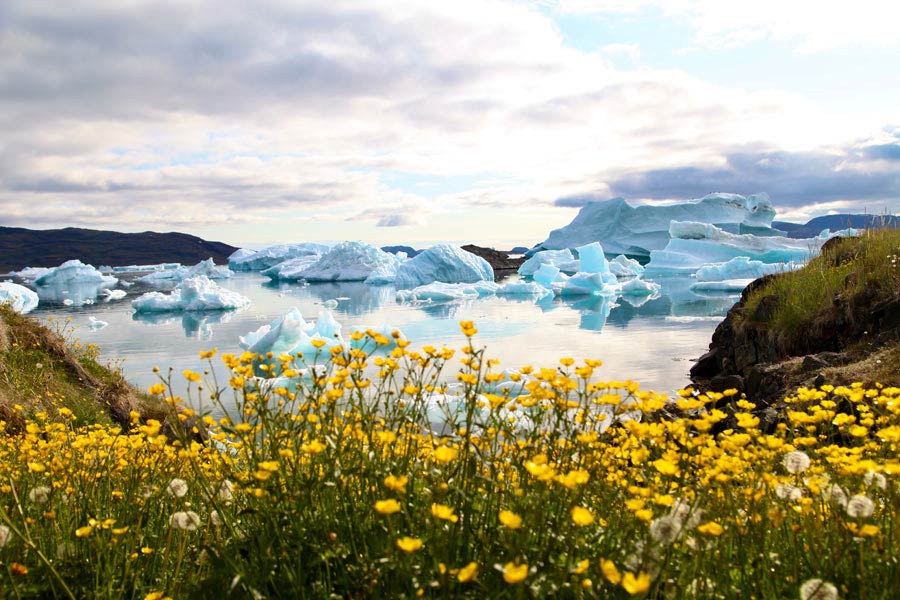
Prepare to be awed by Southern Greenland’s dramatic contrasts; a region where lush tundra valleys meet towering granite peaks, and ancient Norse history mingles with vibrant Inuit culture. This is Greenland’s cradle of civilization, home to the country’s oldest settlements and the UNESCO-listed ruins of Hvalsey Church, built by Norse settlers in the 14th century. The fjords here are gentler than their eastern counterparts, winding through green hills dotted with sheep farms and colorful villages like Qaqortoq and Narsaq. Your Seabourn expedition voyage delves deep into this cultural and geological wonderland, where icebergs drift past Viking ruins and waterfalls tumble into glassy fjords. Southern Greenland’s milder climate supports a surprising abundance of flora and fauna, including Arctic foxes, seals, and migratory birds. The region’s fjords — such as the breathtaking Tasermiut Fjord, often called the “Patagonia of the North” — offer world-class kayaking and Zodiac cruising beneath sheer cliffs and glacial tongues. Expect a rich blend of nature and heritage, with highlights that may include: Zodiac landings at Norse archaeological sites Encounters with local Greenlandic communities Scenic hikes through wildflower-strewn valleys Glacial exploration in remote fjord arms.
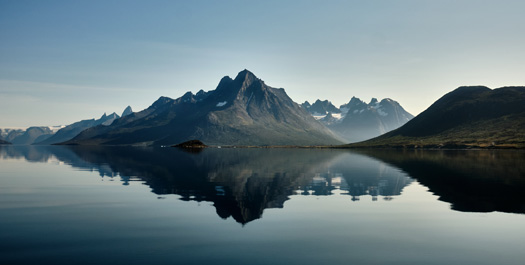
The immense scale of the peaks around this village dwarfs anything built there. Still, the tall white steeple of the church juts up with a spirit of endurance and perseverance that matches the character of those who make this arctic outpost their home. It also echoes the shape of icebergs floating in the surrounding seas, shed from the immense icefields that cover much of the island.
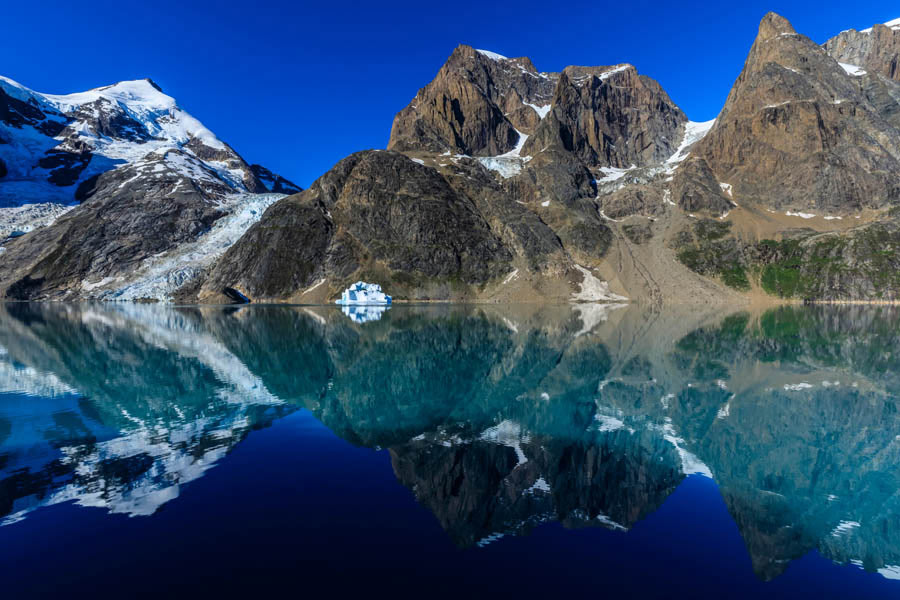
Tasermiut Fjord stretches for more than 40 miles along the coast of southwestern Greenland. Known as the “Patagonia of the North,” this glacial inlet is revered for its breathtaking beauty, with jagged, sky-high peaks mirroring off the icy waters. Rock climbers have long coveted it for some of the sport’s best “big walls” — the massive Ulamertorsuaq, often compared to Yosemite’s El Capitan; Nalumasortoq, noted for its distinctive, “open book” shape; and the Ketil pyramid — all of which reach more than 6,000 feet in height. Tasermiut had terminated at a glacial front just a few decades ago; since then, climate change has caused noticeable retreat and created a “hanging” glacier that no longer connects to the fjord. Seabourn guests explore Tasermiut by Zodiac and, if conditions allow, can join the Kayak Team on an optional paddle along the pristine shoreline.
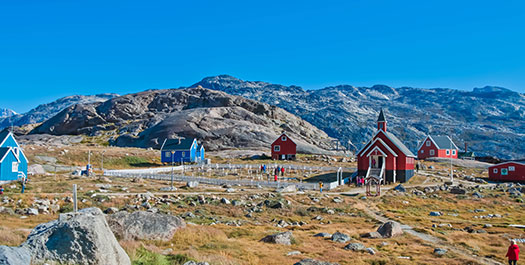
Tiny Aappilattoq is located in the Prince Christian Sound at Greenland’s southern tip, in the municipality of Kullaleq. Its name means ‘red’ in Greenlandic. The sound is enfolded by steep, unglaciated mountains, rising sheer from the water to sharp, shattered peaks. The town’s setting is particularly picturesque, its brightly painted houses scattered across a small peninsula of humped granite domes, under a backdrop of a looming pyramid of stone. The little red town church nestles next to a white-picketed graveyard. The sound itself is dotted with icebergs slowly melting into expressionist sculptures. It is a place where the infrequent visitors routinely fill their camera cards with unforgettable images of Greenland’s spectacular visual splendor.
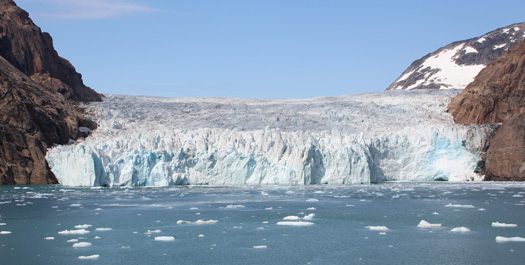
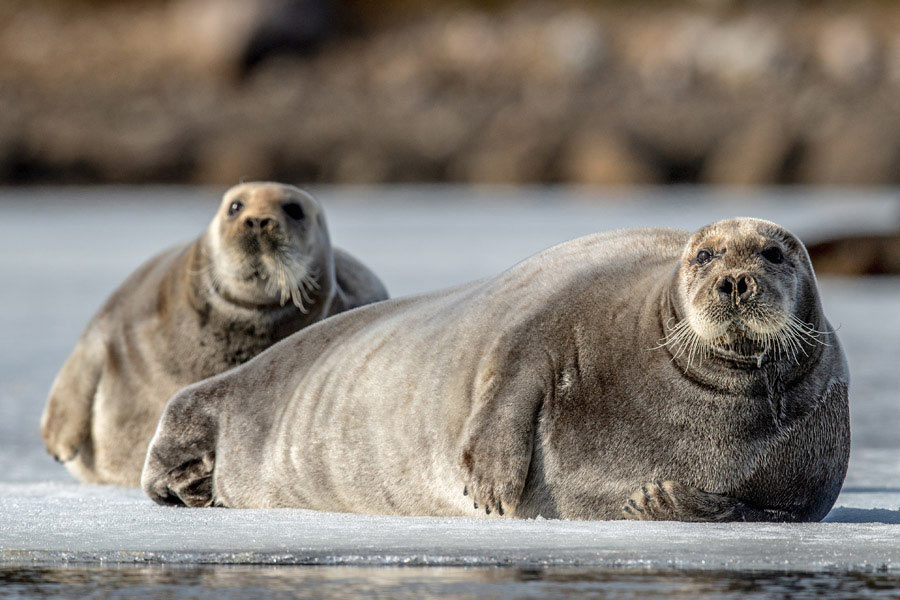
The transit of the Prins Christian Sund is one of the highlights of cruising in Greenland. The approximately 60-mile sound cuts between the mainland and an archipelago of islands from east to west, under the southern edge of the massive Greenland Ice Sheet, which covers 80 percent of the island. The sound is narrow, sometimes as little as 1500 feet across, and numerous glaciers reach the sea on its shores, calving icebergs into the sound. High, barren and sharply defined peaks tower on both sides. The only indications of humanity to be seen are the Ikerassasuaq weather station (using the Greenlandic name for the sound) where the ship enters, and the small village of Appilattoq, housing approximately 100 people. Animal life is more abundant, with minke, fin and blue whales seen frequently, as well as ringed and bearded seals that haul out on the floating ice. It is a breathtaking display of natural splendor in the severe, rugged vernacular of rock, ice and sea that is unique to the arctic realm.
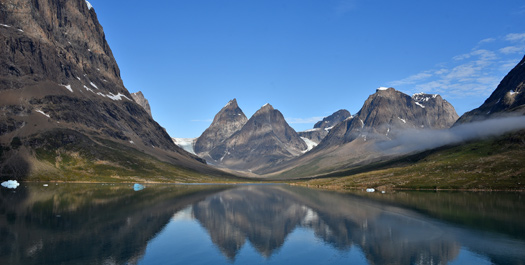
Imagine a narrow fjord bordered by rugged peaks, vertical rock walls and serpentine rivers of ice plunging into the sea. This is Skjoldungen Fjord, named by Wilhelm August Graah after the honorific title Skjoldungen which, according to Norse mythology, was given to successors of legendary King Skjold to the Danish throne.
Numerous tidewater glaciers calve during the summer, releasing large chunks of ice that plunge into the fjord. Above, huge crevasses and free-standing pillars of ice, known as seracs, are silhouetted against a blue Greenlandic sky. Barren of large trees, Skjoldungen Fjord is carpeted in colorful dwarf birch and willow forests that may grow several feet high, as well as a variety of low-growing Arctic wildflowers.
This fjord was likely inhabited by Paleo-Eskimo (Inuit) nomadic people as early as 4,000 years ago. Archaeological remains of later historical periods, such as Thule culture graves, have also been found, indicating that Inuit people have lived in the area continuously. Scattered within this stunning scenery are remains of more recent abandoned Inuit dwellings along the fjord’s western shores.
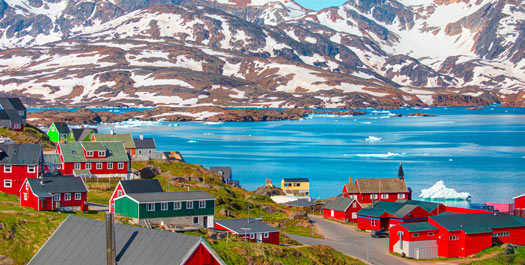
In Greenland, nature is big and almost overwhelming! You will be awed by towering mountains, huge distances, epic adventures, harsh weather and challenges that loom and beckon even in summer. The people of the Saqqaq culture arrived here from the north, the first to reach this part of Greenland. The Viking Norse first became familiar with this area when they made it their first landfall on the voyage from Iceland's Snæfellsnes peninsula to Greenland. Today that location is known as Tassilaq, and it is the largest town in Eastern Greenland with 2,000 inhabitants. The island where Tasiilaq is located was formerly known as Angmagssalik in Greenlandic, meaning ‘the place with capelin.’
Walking through Tassilaq is, in many ways, like walking through time. You will likely see many of the town’s over 1,000 sled-dogs, as well as wooden dog-sledges, skin covered kayaks, fish air-drying on racks and maybe even the hides of seals and polar bears, just as in eras long past.
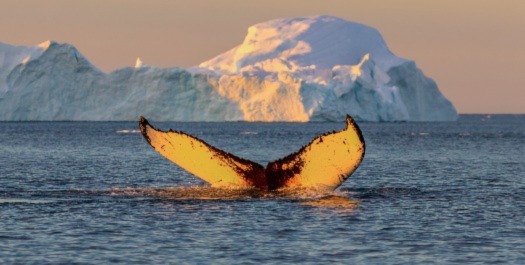
Make the most of this day at sea by indulging in relaxation and taking full advantage of the ship's amenities. Breathe in the crisp, clean air as you soak in the panoramic views of the vast ocean stretching out before you.
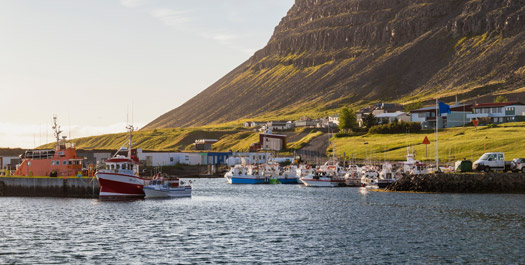
The small village of Patreksfjörður serves as gateway to the Westfjords peninsula in northeastern Iceland and some of the country’s most spectacular attractions. Fishing is the main industry here, although tourism is quickly growing thanks to Patreksfjörður’s proximity to such natural wonders as Dynjandi waterfalls. Dynjandi — which translates as “thunderous” — rivals Gullfoss in sheer spectacle, cascading more than 325 feet down a series of increasingly wider steps; the rocky footpath to the top passes seven smaller falls. Látrabjarg, a rocky promontory that marks the westernmost point of Europe (not counting the Azores), is recognized as one of the best birdwatching spots on the planet. Látrabjarg’s four rugged, wind-battered cliffs — stretching for nearly nine miles and reaching close to 1,500 feet in height — are home to more than 1 million birds, including massive colonies of colorful puffins and around 40 percent of the world’s nesting razorbills. The red sands of Rauðasandur beach are a stark contrast to most of the country’s black volcanic beaches, while the wreck of Gardar BA 64, Iceland’s oldest steel whaling ship, lies in rusting ruins along Patreksfjörður’s shore.
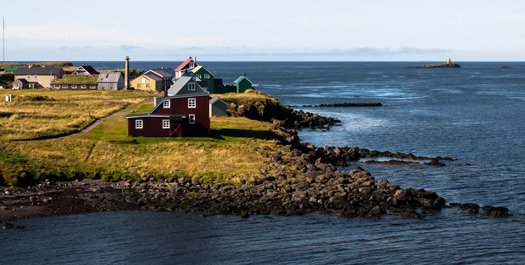
The remote island of Flatey is located in Breidafjörður Bay on the northwestern part of Iceland. “Flat Island” is 2 km long and 1 km wide has only one road through the quaint little old village. Sheep and seabirds are the most numerous inhabitants, including large numbers of Atlantic puffins and Arctic terns. The island is a paradise for bird watching with over 30 different species during the breeding season.
The charming small fishing village of Grundarfjörður is located in the middle of the Snæfellsnes Peninsula and thus provides easy access to Stykkishólmur, Snæfellsbær and the Snæfellsnes National Park. Its best-known landmark is undoubtedly the peak of Mt. Kirkjufell. Translated as ‘church mountain,’ Kirkjufell is the most easily recognizable peak, and one of the most photographed mountains in Iceland. During summer months a Viking Village is built in the center of town where Viking re-enactments occur quite regularly. During the Á góðri stund town festival in July, the town’s 900 residents decorate their houses in red, blue, yellow, and green, transforming the town into a spinning kaleidoscope of color.
The town first began trade in 1786, and around 1800, French merchants came to Iceland and settled in Grundarfjörður, where they constructed a church and a hospital. The town has prospered through the fishing industry for a long time. The surrounding sea is rich with birdlife & marine life throughout the year.
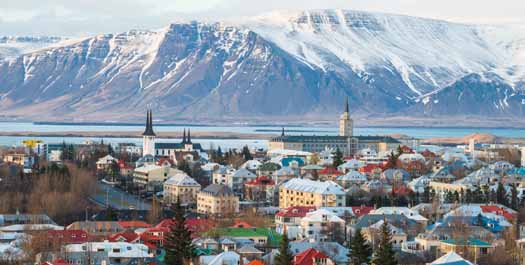
Steeped in history and bursting with contemporary flair, Reykjavík, the capital of Iceland, was founded around 870 C.E, marking the birth of the first permanent settlement on this island nation. Today, it is home to approximately 200,000 inhabitants, making up nearly 60% of Iceland's population. Reykjavík holds the title of the world's northernmost national capital, and it takes pride in its reputation as one of the cleanest, greenest, and safest cities globally. Its commitment to sustainability and eco-consciousness is evident in every corner, from its energy-efficient buildings to its pollution-free skies.
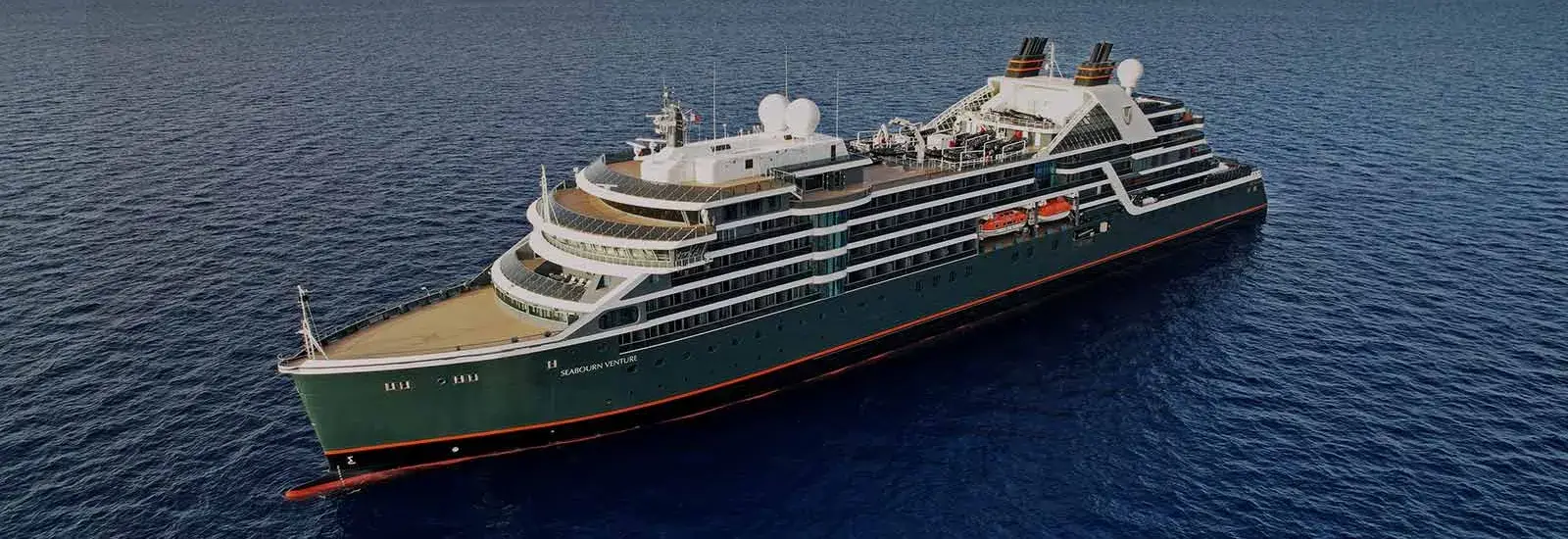
Seabourn Venture (Arctic)
Explore the Polar Regions onboard the ultra luxury Seabourn Venture. First sailing in 2022 and taking up to 264 guests the ship is equipped with a PC6 ice class rating and carries 2 custom built submarines and kayaks. The ship is well equipped with 132 luxurious, all-verandah suites and has a wide range of facilities onboard, including premium dining options, a spa, fitness centre and pool. There are plenty of shared spaces to relax and enjoy the view as you sail into some of the most remote regions in the world. Enjoy zodiac expeditions with the knowledgeable expedition crew and learn about the areas you are exploring with a range of lectures onboard the ship.
Ice Class: Length: 170 m / 558 ft
Breadth: 26 m / 85 ftMax
Draft: Cruising
Speed: 22 kn / 41 km/h / 25 mph
Electricity: Passenger
Capacity:264
View Ship Details
Included ACTIVITIES
These are included in your cruise fare. Activities vary by itinerary and destination and are subject to regulations, weather conditions and other factors.
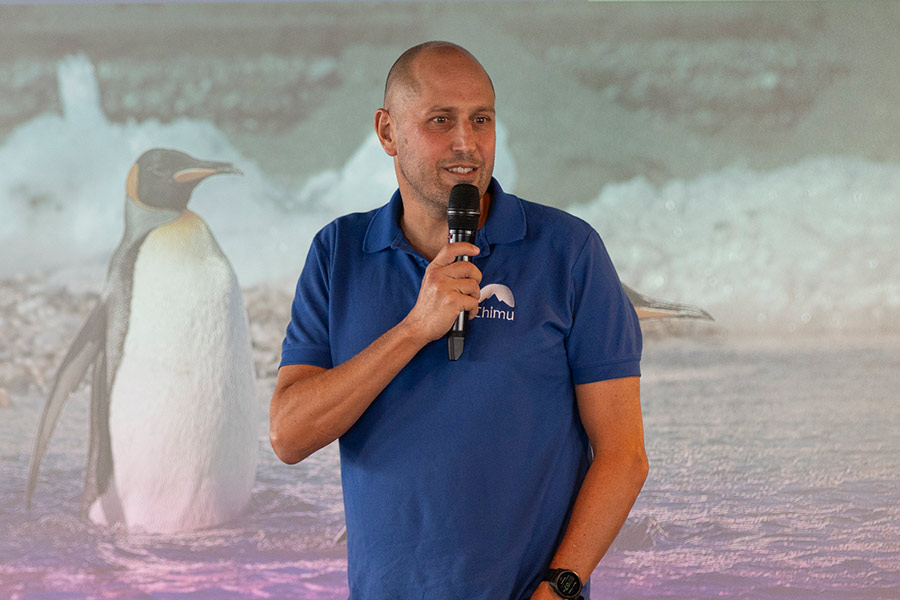
Expert Lectures
Learn More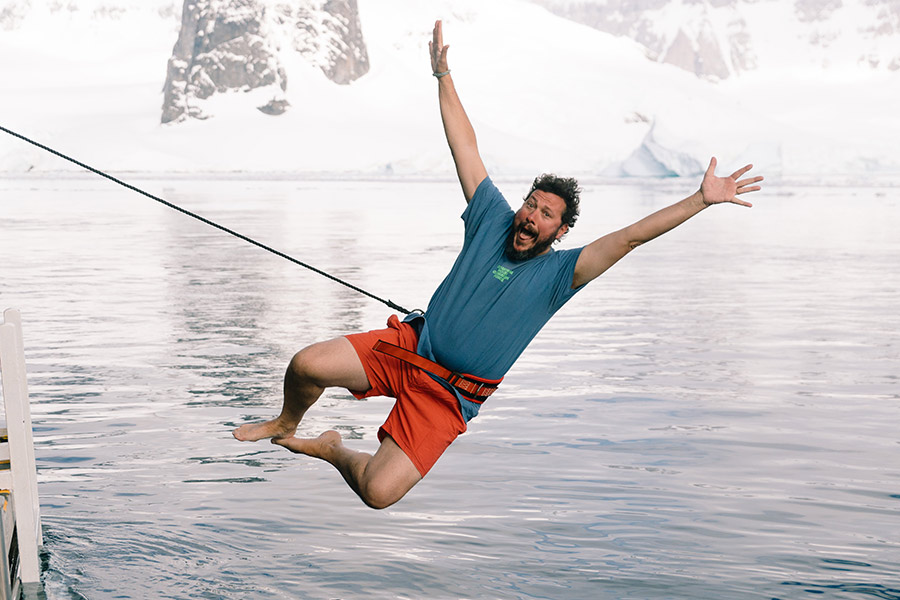
Polar Plunge
Learn More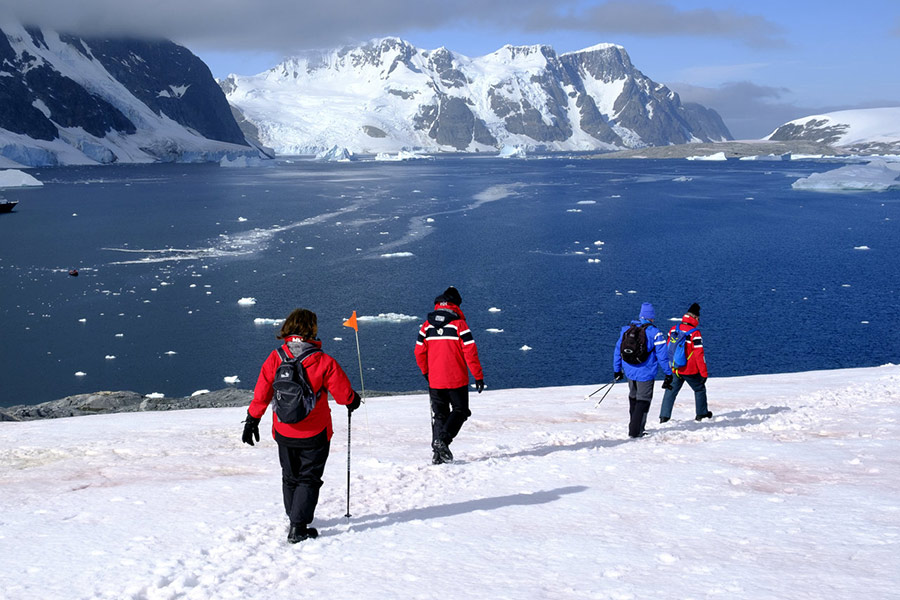
Shore Excursions
Learn More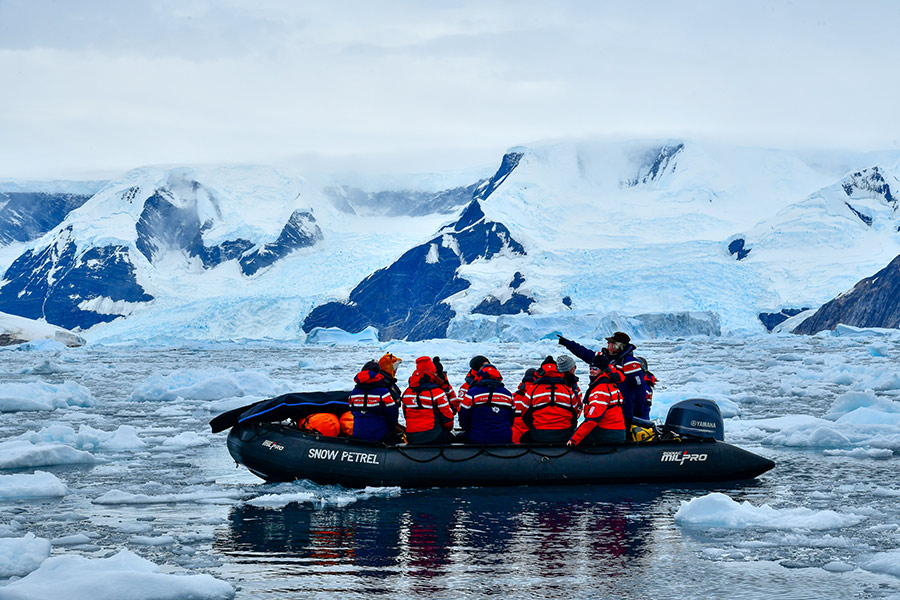
Zodiac Cruises
Learn MoreOPTIONAL ADVENTURES ADD ONS
These can be booked in advance at an extra cost. Activities vary by itinerary and destination.
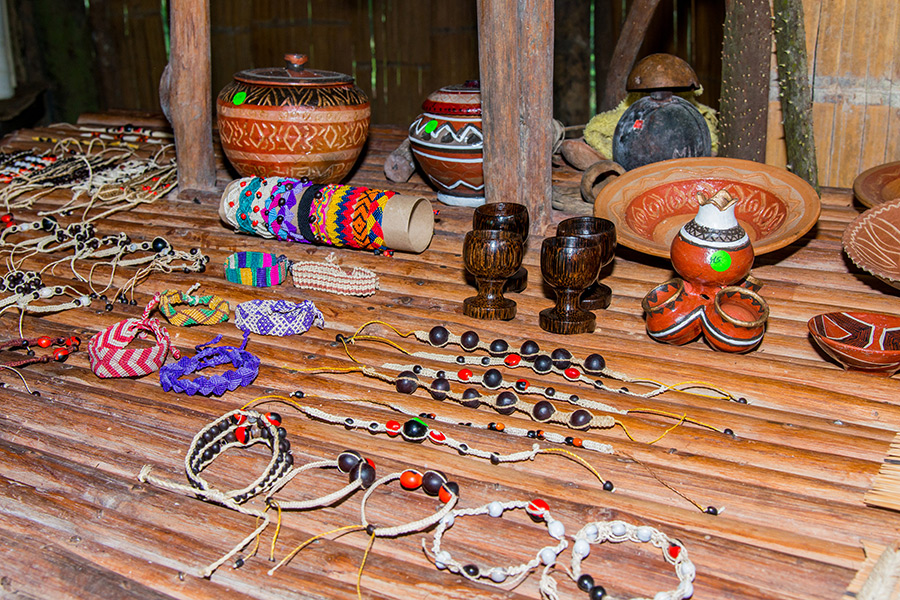
Community/Cultural Activity
Learn MorePricing per person & date
Pricing & Availability Last Updated 28 August 2026
| Southeast Greenland & Iceland | Venture from USD 18,409 | ||
| Departing | Ending | Duration |
|---|---|---|
| 03 Jul 2027 | 17 Jul 2027 | 15 |
Important Information
Prices from the operator are dynamic in nature. They are correct at time of publishing but are subject to change at any time until the time of booking. Please Contact us for the most current availability and up to date cabin pricing.
Pricing is subject to change based on currency fluctuation, selected cabin, availability at the time of booking and may be withdrawn or varied at any time without notice.
Prices are based on per person, twin share*
Prices are correct at time of publishing but are subject to change at any time.
Itinerary is subject to change depending on weather and ice conditions
INCLUSIONS
Accommodation onboard the Venture in booked cabin category
Group transfers to/from the airport and to/from the ship* (subject to date/time restrictions*)
All meals onboard the Venture including snacks and 24/7 in room dining
Complimentary spirits and wine available on board at all times - full open bar including premium beverages & in room minibar
Inspiring enrichment program and lecures from the expedition team
All applicable shore excursions and zodiac cruising (except paid adventure options with cost)
Digital photography workshops
Complimentary expedition-grade parka and day pack
All port taxes & landing fees
EXCLUSIONS
International or internal flights unless specified
Airport transfers, taxes and excess baggage charges unless specified
Meals other than those specified in the pre-departure information
Pre or post cruise travel expenses
Visa (if applicable) and passport fees
Travel insurance (compulsory)
Fuel surcharge may be applied to all bookings
Paid adventure options and all personal expenses
Miscellaneous extras
Laundry and communication charges on board
Tipping onboard (optional) - We recommend $15USD per person per day
- 2 (light adventure)
Available on request. A Single Supplement may be applied. Subject to availability. Please note 'willing to share' option is not available. Contact us for more details.
Departure date, fuel surcharges, cabin category, currency fluctuations, seasonality and availability.
