 2026/27 season starts soon. Last-minute Antarctica cruise deals now available View deals →
Is It Safe to Travel to Antarctica?
It is safe to travel to Antarctica? It's a question we're often asked here at Chimu Adventures, and it's understandable that travellers are nervous about sailing through the Drake Passage or spending time in such a remote, icy environment.
However, the truth is that travelling to Antarctica is extremely safe and it's one of the most highly regulated tourism destinations in the world.
When it comes to safety and Antarctic cruising, here's what you need to know!
Here are the most important aspects of any cruise to Antarctica to consider from the perspective of health and safety.
The Drake Passage
Travel to Antarctica is not a particularly dangerous endeavour, with the only possible (but not probable) discomfort resulting from crossing the Drake Passage, regarded as the world’s most tumultuous body of water.
Many of our Antarctica cruises enjoy an absolutely blissful passage over calm water. So calm in fact, that as one passage nearly ended, one distracted guest enquired “So when are we going to cross the Drake?” Moreover, you’ll be aboard one of the sturdiest expedition ships ever built, some of which even have wonderful add-ons like on-board masseuse. Most ships also have state of the art stabilisers, which minimise movement as much as possible.
But if you feel a little queasy – which is about the biggest problem most will face – you’ll no doubt find a myriad of ways to distract your senses.

Sailing novices may be a little anxious about a voyage across the open sea – yet you only need cross the Drake when boarding your ship in Ushuaia. Choose to fly to King George Island instead (from Punta Arenas, in Chile) and you can skip the Drake Passage crossing altogether.
Antarctica cruises still boast a phenomenal safety record yet safety precautions and drills are held to the utmost rigour. Your safety is the number one priority of your professional and experienced crew.
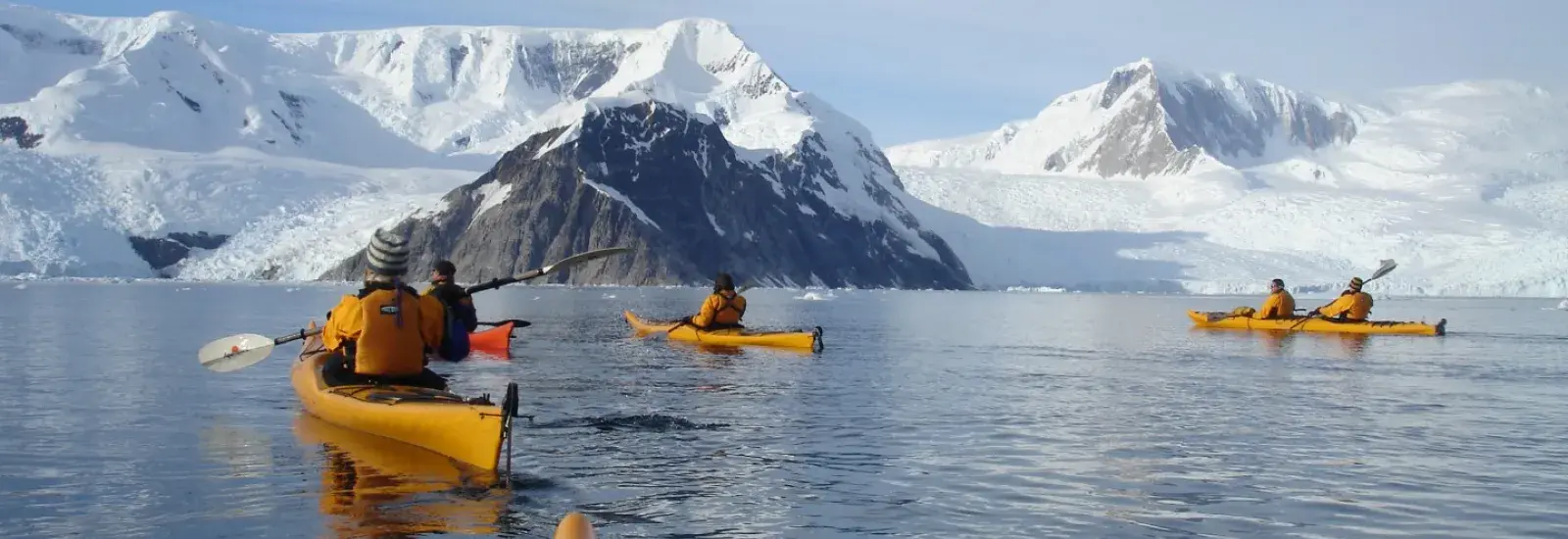
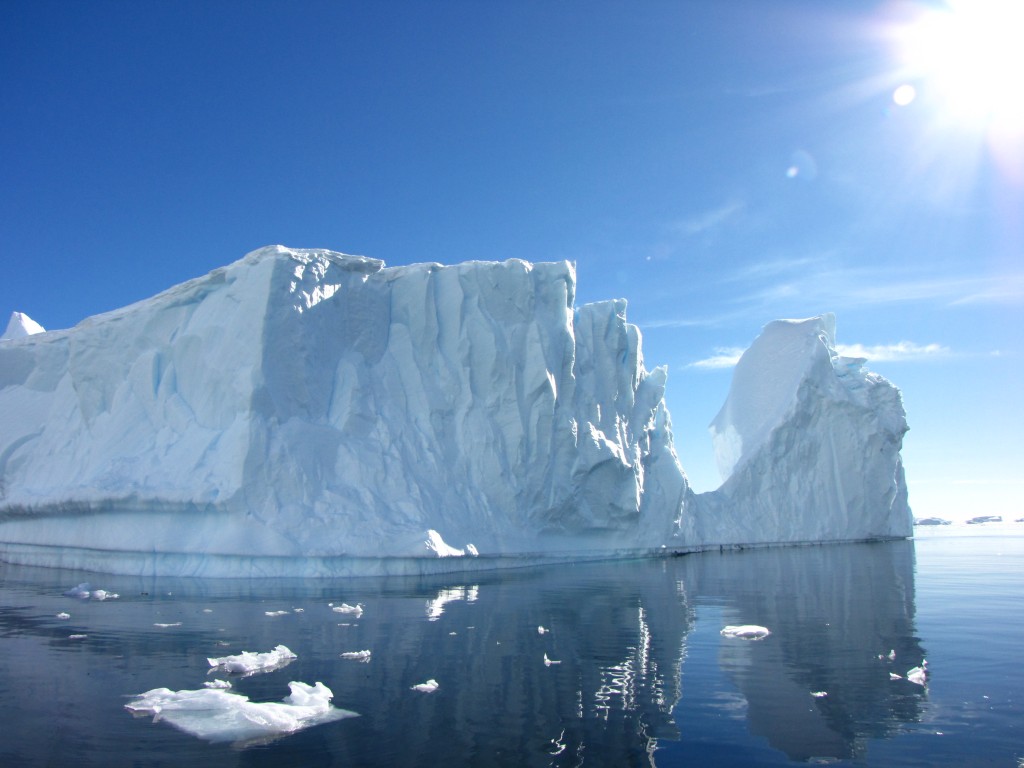
The best part about Antarctica cruises? One you reach the Peninsula, you’ll enjoy some of the calmest seas ever, with protected coves making it seem as if you’re floating on a spectacular mirror of water and ice.
The Cold
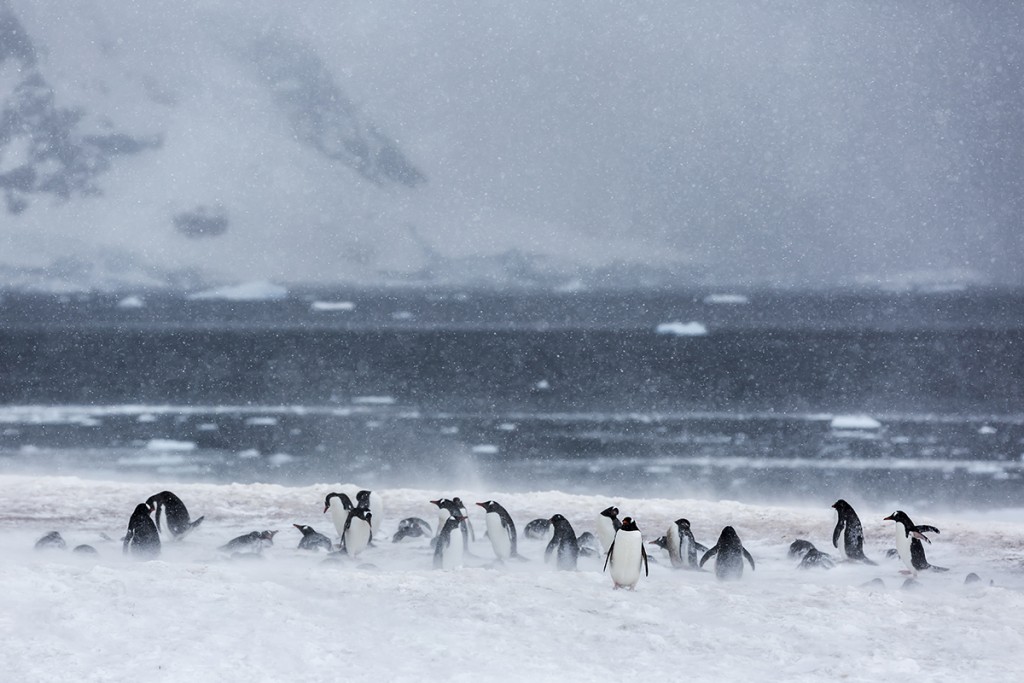
While you can pretty much discount any life-threatening blizzards in Antarctica at the height of summer, you certainly won’t be encountering Caribbean climate, that’s for sure. It’s gonna be cold, folks. That’s why we provide you with a comprehensive list of what to bring so you keep warm and toasty.
You may want to bring a jumper. Or several. And gumboots, waterproof pants, windproof jacket and something very warm to cover your neck. To be honest, it’s not the ‘average cold temps’ that you need to prepare for (everyone copes just fine with 0°C with the right clothing) it’s the fact that the weather down here can get a little nuts. However, before making any big purchases, check with your ship operator, as many provide guests with waterproof muck boots and outer layer jackets, either on loan or to keep.
In those rare instances when the wind turns, on your return zodiac ride, temps can drop dramatically and this, combined with water splashing every which way, means layers and waterproof gear are key.
The Scorching Sun
Walking around in Antarctica is not unlike hiking at high altitude: the air is cold, but you can easily get sunburnt. Between the reflecting white of the landscape and the high UV-rays down south, the sun can be quite bothersome, so don’t forget to bring a hat, sunscreen (remember your lips!) and a pair of polarized sunglasses. The latter is imperative if you already suffer from any eye issues.
Your Fitness Level
You need not be an Olympic-level athlete to enjoy a fabulous Antarctica cruise, but a decent level of fitness – or perhaps agility/flexibility may be a better choice of word – is recommended. No, you won’t be ice-climbing up a vertiginous iceberg, or negotiating safe passage over some almighty crevasse!
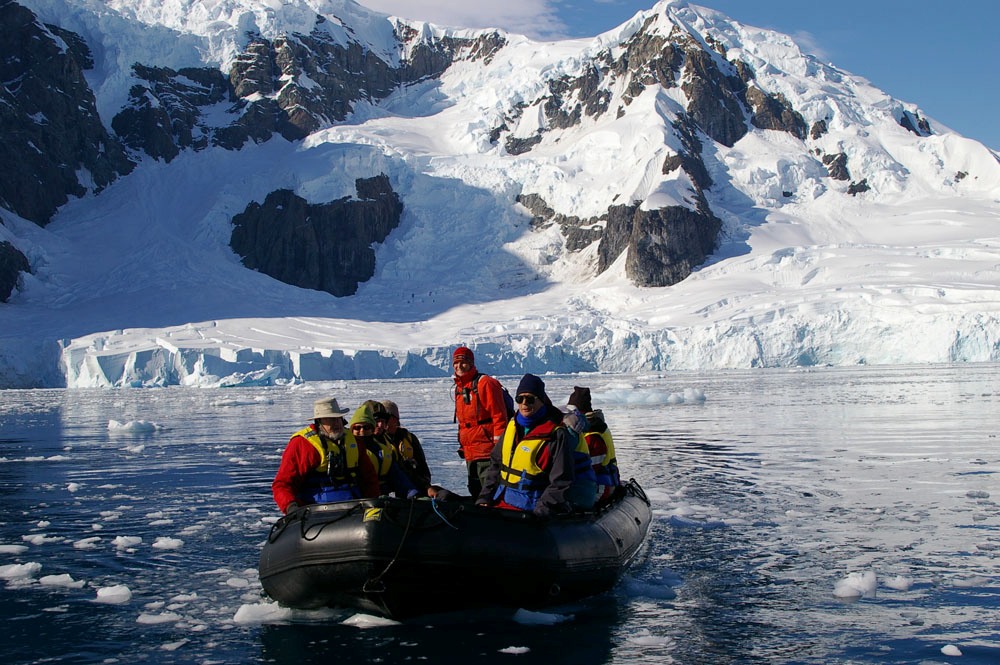
But you will be getting in and out of a zodiac twice a day, and this can be quite awkward, considering you'll be wearing thick layers of clothing, daypack and camera bag. This is about the only advice, as far as fitness is concerned: you'll need to be able to get yourself in and out of an inflatable, and everything else will be easy peasy.
Antarctic Wildlife
The waters of Antarctica are renowned for being the single largest marine feeding ground on our planet. Most especially in summer, when perpetual sunlight aids in the kind of algae growth that’ll have you salivating no end, if you happen to be a baleen whale.
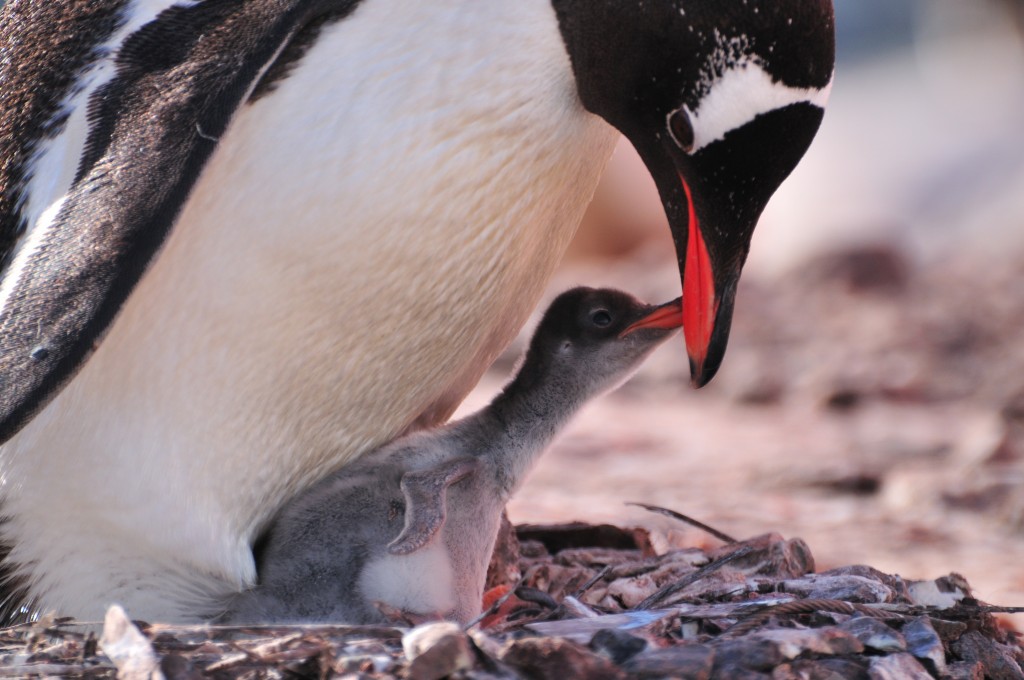
And if you’re a seal or a penguin? Oh, how happy you’ll be with all those delicious fish swimming about! Antarctica’s spectacular wildlife is arguably this continent’s biggest draw and none of it – none of it we say – will be a bother to you, if you follow the directions of your crew and keep a respectable distance.
Because no ‘Oh that leopard seal looks so cute I just HAVE to give him a belly rub’ story ever ends well. If the urge to hug a penguin ever gets just too much, do what we do and just grab the closest person to you and hug them instead. It’s ok, they’ll understand. And probably smell better too.
There are strict wildlife safety guidelines in place by IAATO, ensuring both travellers and animals stay safe. Before your first landing, your expeditiion team will explain the guidelines in detail, so that you know what to expect.
Slippery Ship Decks
It’s always the unsuspecting risks that one never thinks about. Until one ends up doing the splits on outer deck, when – astonishingly – one had never managed to do the splits before!
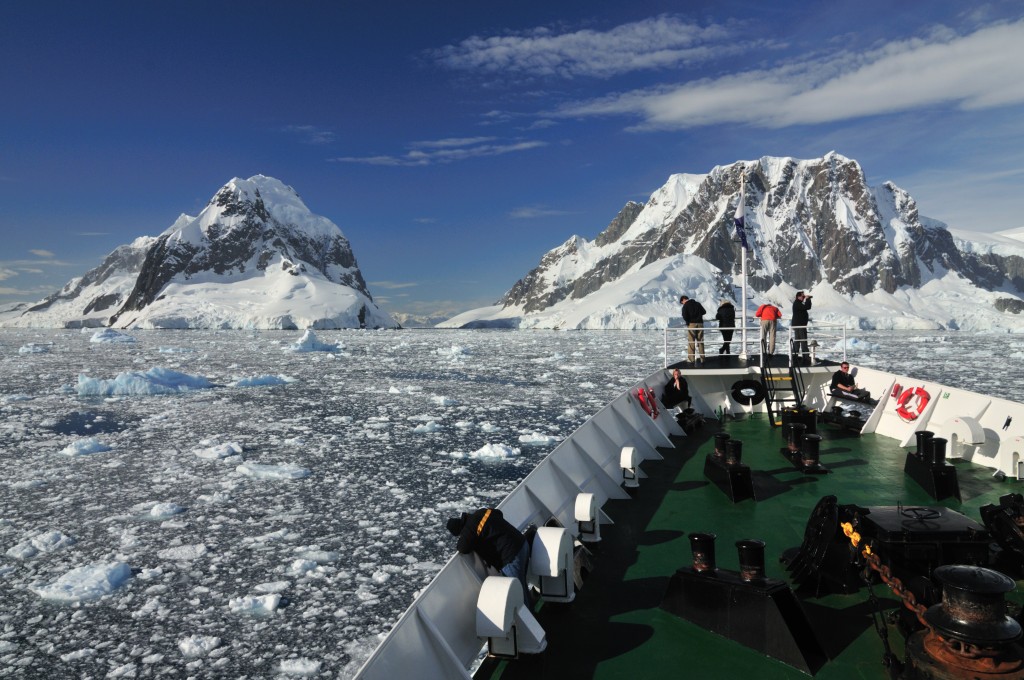
Watch your step when on outer decks, as the floor can get incredibly slippery. Particularly when you’re in an excited hurry because someone yelled out ‘Orcaaaaaa!’ and you run like the wind, slip, fly, splat, and end up taking a blurred photo of the roof of the deck. Genius.
Health and Safety Onboard
All of our Antarctic partners and expedition ships have comprehensive policies in place, adopted from global health authorities and industry bodies that will cover all aspects of your voyage, including procedures for safe travel to and from the vessel for their guests, guides and ship crew. This is to reduce the risk of communicable disease as much as possible.
For example, hand washing and sanitation stations are available throughout each ship and guests are able to take meals in their cabin if they're feeling unwell.
Antarctica tourism policies continue to adapt to industry best practices and country-specific mandates and legislation. Many operators will have a comprehensive COVID-19 Safe Management Plan in place – which will be available to all guests before travel.
Whether you’re a wildlife photographer or simply a lover of utterly spectacular nature, a cruise to Antarctica promises to be one of the most indescribable experiences you will ever have.
If you're ready to experience the joy of Antarctica, browse our range of trips or contact our friendly team with any questions.

FAQ's
Frequently Asked Questions
Q1. Should I be worried about the Drake Passage?
While the Drake Passage is known for its turbulent seas, Antarctic expedition ships are well prepared for the crossings and often have modern stabilisation technology to minimise movement. However, if you suffer from seasickness, talk to your doctor before your voyage about the best medication to bring with you.
Q2. Is there a doctor on each Antarctica voayage?
Yes, all of Chimu's expedition partners have at least one doctor onboard, and often two. There are limited medical facilities onboard, but they are there to assist with seasickness or minor illnesses or injuries. Safety is always the number one priority on all Antarctic voyages, so always let the crew know right away if you're not feeling well.
Q3. Do I need travel insurance to go to Antarctica?
Yes, comprehensive travel insurance is mandatory when travelling on an Antarctic cruise. Due to the region's remote locations, any serious illness or injury can require medical evacuation, which is extremely expensive. However, insurance is also important for more common travel issues such as broken camera gear, flight delays, or lost luggage, as it ensures you won't be out of pocket for these issues.
Q4. How can I avoid accidents or falls on the ship?
When moving throughout the vessel, it's best to always keep one hand on the ship at all times, holding onto a railing or sturdy object, to minimise your chance of falls. If you're out on deck and it's snowy or icy, move slowly and hold onto the rails, or ask for help if you need an extra hand with getting back inside safely!
Where Will You Go Next ?

Talk to one of our experienced Destination Specialists to turn your Antarctic, Arctic and South American dream into a reality.
Contact us